Here to inspire you! Part of UN SDGs team, passionate about Human & Sustainable Development world-wide. Being a model, Social Worker by Nature 😊
Author: Maheen Khan
My expertise revolve around Multi-sectoral Policy & Programming, Disaster Recovery & Rehabilitation Planning and Project Management. I have contributions, made towards designing and implementing project documents, M&E Frameworks, development of Minimum Standards, humanitarian coordination (NoC &MoU Management) for UN donor funded/NGO programs including Policy level Agreements on Education, Volunteerism, Health, Women/Child Protection Programs, Disaster Management with United Nations UNV. The programs range from working in Public Policy, Regular Development to Conflict & Complex Emergencies.
People with COVID-19 have had a wide range of symptoms reported – ranging from mild symptoms to severe illness. Symptoms may appear 2-14 days after exposureto the virus. People with these symptoms may have COVID-19:
Fever or chills
Cough
Shortness of breath or difficulty breathing
Fatigue
Muscle or body aches
Headache
New loss of taste or smell
Sore throat
Congestion or runny nose
Nausea or vomiting
Diarrhea
This list does not include all possible symptoms.
What you need to know
Anyone can have mild to severe symptoms.
Older adults and people who have severe underlying medical conditions like heart or lung disease or diabetes seem to be at higher risk for developing more serious complications from COVID-19 illness.
When to Seek Emergency Medical Attention
Look for emergency warning signs* for COVID-19. If someone is showing any of these signs, seek emergency medical careimmediately
Trouble breathing
Persistent pain or pressure in the chest
New confusion
Inability to wake or stay awake
Bluish lips or face
*This list is not all possible symptoms. Please call your medical provider for any other symptoms that are severe or concerning to you.
The coronavirus pandemic has given us the opportunity to reimagine the idea of ‘normal’ we’ve accepted for so many years. Around the world, governments, communities and individuals have been forced to change the ways they live, work and connect. And now, as people begin to imagine their lives post-coronavirus, there’s a growing conversation about how we can avoid going ‘back to normal’ and instead ‘build back better’.
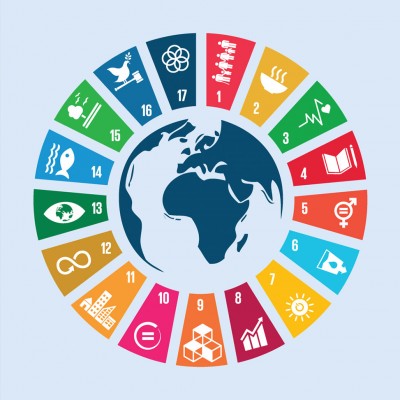
Leading this push for change are, of course, the voices of incredible activists around the globe. These activists are advocating for an improved world which is rebuilt in line with the UN’s Global Goals, the 17 sustainable aims for 2030 agreed upon by the UN’s member states in 2015. These goals, which include the achievement of gender equality and the provision of clean drinking water and sanitation for all, are more important than ever as we look towards a new post-Covid-19 world.
In the face of the ongoing inequalities which have been exposed and worsened by the current pandemic, and the need to build back better, it’s clear that activism is more important than ever. With this in mind, Stylist sat down with activists Vanessa Nakate, Trisha Shetty and Amika George following their appearance on the Activism, Actually panel at LIONS LIVE to talk the future of activism, the power of social media, and what needs to come next.
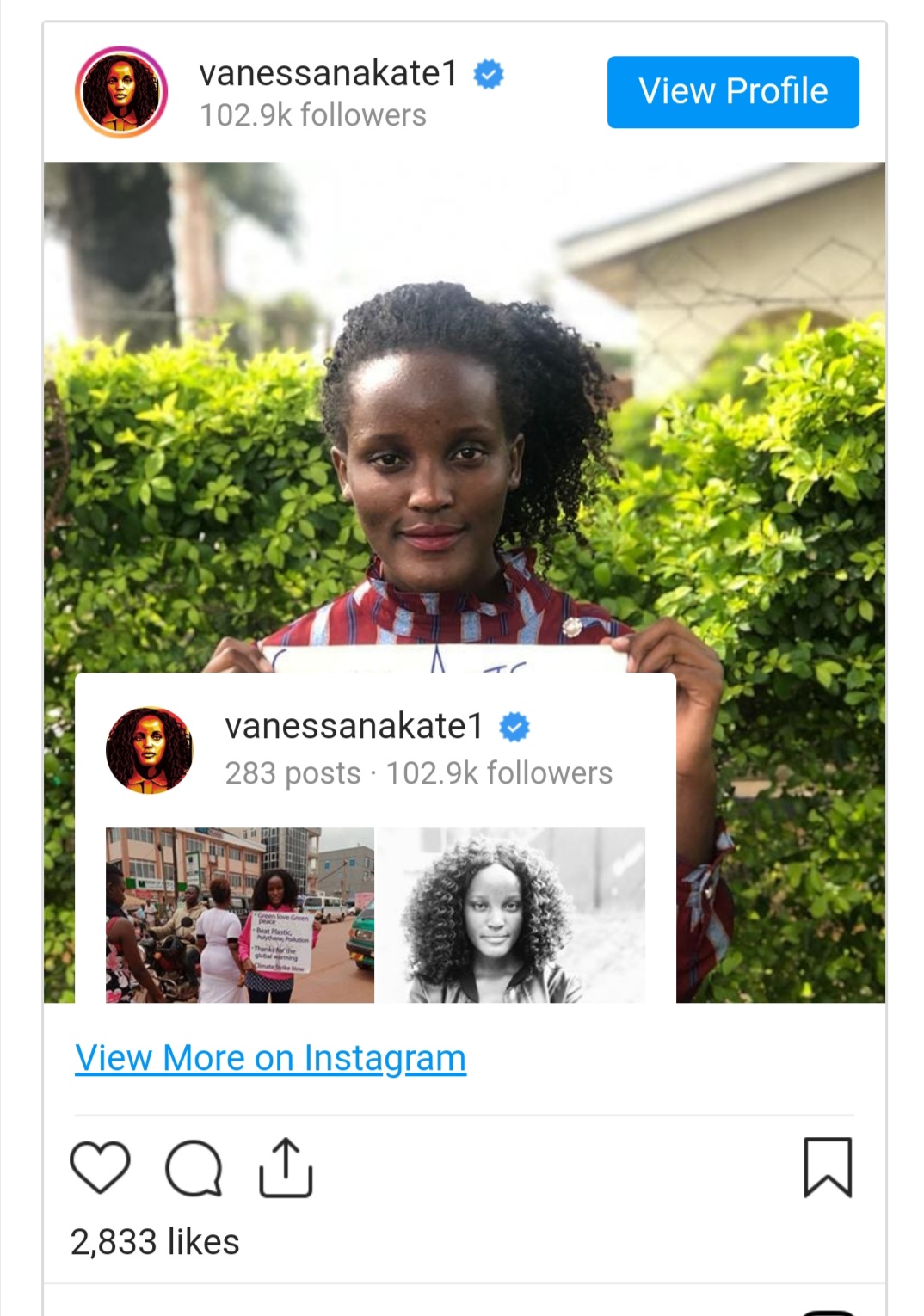
Vanessa Nakate, climate activist and founder of the Rise Up Movement
Vanessa Nakate is an activist from Kampala, Uganda. Her work focuses on the impact of climate change across Africa and demanding global action in the face of the climate crisis. During the pandemic, Nakate has moved her weekly #FridaysForFuture protests online, and is working to raise awareness about the need for a green economic recovery post-coronavirus.
“During the pandemic, I’ve seen so much vulnerability in various countries in regards to how people access basic needs, like food, water, health facilities, shelter, among others. And yet in this period, the government has tried to help them. It made me realise that the government is actually capable of helping people to live in a much better way. So my hope for the future is to see the vulnerable stop being vulnerable, and seeing that people can have access to these basic needs, so that even when such a crisis or epidemic happens, people have food to eat, water to use, and they can access health facilities in an easier way.
“I also really want the government to build back in green recovery, because we cannot afford not to be sustainable. I feel like there is much that needs to change to ensure that we put the planet and the people over profits and can build an environment that ensures protection of people’s wellbeing, and sustainability is the key to that, from my point of view.
“We know change is possible because the pandemic has shown us that it is possible”
“We need to understand that the climate crisis has not gone on a break and people shouldn’t forget that, before this current pandemic, we already had a crisis going on – and it is still here, destroying many people’s lives.
“We know change is possible because the pandemic has shown us that it is possible – it is now about the will of the leaders and we need to push them to the point when they will take these actions. They’re talking so much about going back to normal, but then when you look at our ‘normal,’ many people are still living in a crisis.
“I think that social media is very helpful when it comes to activism and creating impact. When I started with my activism, I would share what I was doing in the streets or at Parliament by taking photos and sharing them on social media. And that is how people in my country started getting to know about my work, especially young people. So social media actually creates impact in that it inspires other people when they see your activism.
“You can clearly see that when Greta started the climate movement, she shared her photos on social media, and that is how people started getting involved and getting inspired. And I think with social media, especially with Twitter, where you can message politicians or leaders, I think it can really create so much impact – especially when you’re campaigning against a specific thing, for example, a new investment in the fossil fuel industry. Physical activism might have much more of an impact, but that does not exempt the importance of social media.
“To continue the momentum in activism post-Covid-19, we need to realise that the momentum is really in our voices, our platforms and what we speak about. People often talk about not having the resources to do activism, but I believe that the greatest resource that someone can have in activism is using their voice to speak up against any kind of injustice that they see in society. We have so many problems across the world, but if you resonate with a specific one, and you choose to fight for that cause, then your voice is important and your platform is important.
“For those people who would like to get involved in activism, I wouldn’t tell someone to start from scratch, but to join an already growing movement and get involved in the actions that other activists are carrying out, such as protests. No one should feel too small or too little to do that. Because at the end of it all, it’s not about the resources that we have, it’s about the message that you’re trying to put across and the lives that you’re trying to change.”
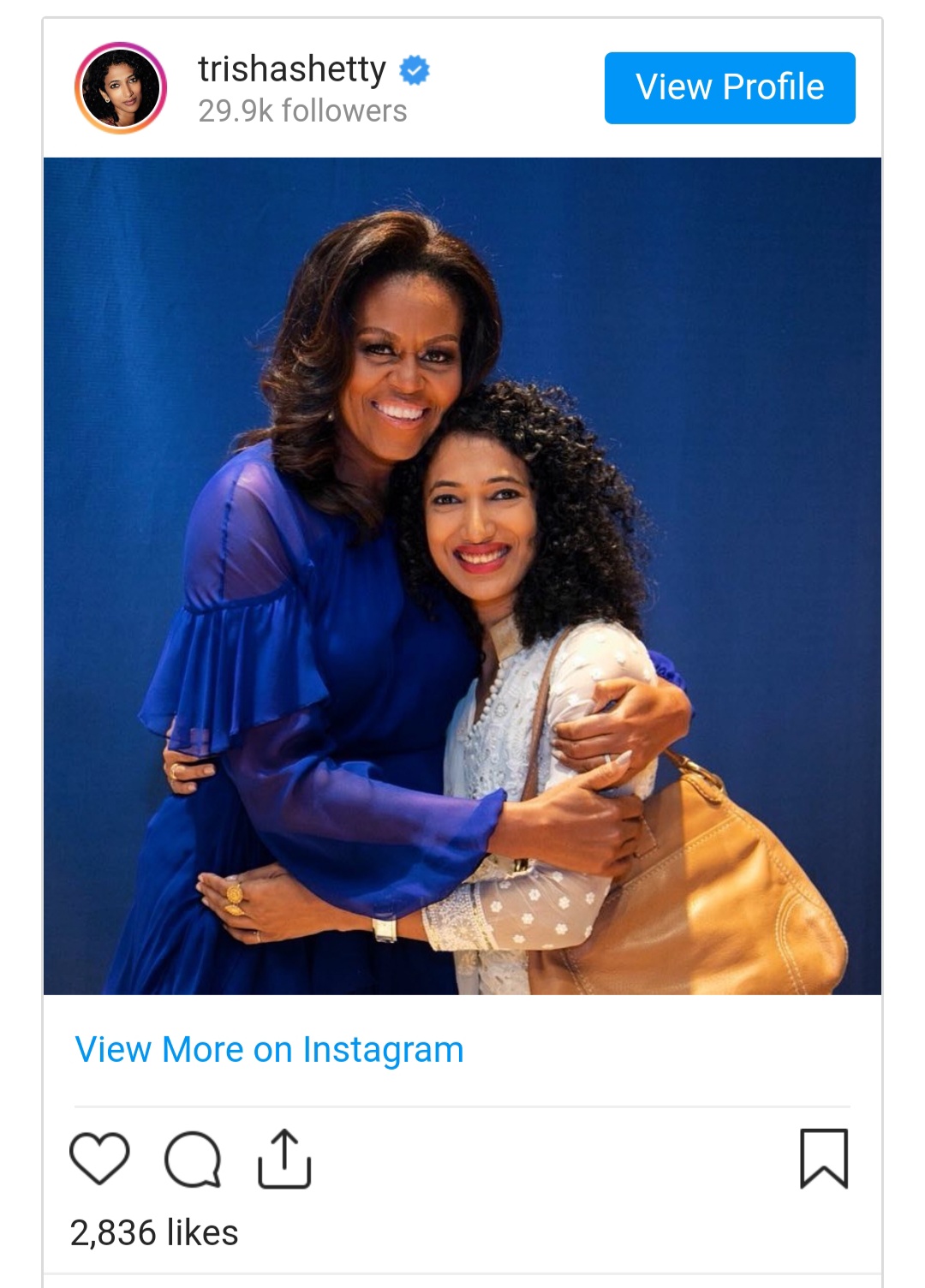
Trisha Shetty, social activist and founder of SheSays
Trisha Shetty on life after coronavirus: “I hope people don’t go back to business as usual. I hope the global community realises that democracy is in crisis.”
Trisha Shetty is a social activist and lawyer from Mumbai, India. Her non-profit organisation SheSays works for gender equality through youth and civic-society engagement, and works on issues including public safety, education and sanitation through a gender-sensitive lens. During the pandemic, her activism has been limited by a crackdown on protest and dissent in India.
“What I’ve noticed globally during the pandemic, is a sense of recognition of inequality in a way people haven’t before, and a greater sense of service to our community and society happening among young people. You know, Amika, me and Vanessa – we identify as activists –but even those who didn’t before the pandemic, have wanted to serve their community during this time. I hope everyone continues with that sense of service and the recognition that we need to do everything we can to demand for an end to inequality.
“Post lockdown, I hope people don’t go back to business as usual. I hope the global community realises that democracy is in crisis, globally. I hope that we realise we need to double down on being watch guards for our leaders, and demand that they fulfil their duties to us as citizens. I hope that as citizens, we continue to be active in safeguarding democratic institutions. And I truly hope we do all of this with a sense of urgency where we feel like our house is on fire.
“We need to juggle everything: we need to live on with our lives while demanding better from ourselves, from our world leaders, and for people and for planet. So that’s what I hope – a doubling down on solidarity, on commitment to the Global Goals and holding government and leaders accountable to deliver on the goals.
“What we’re currently seeing is not just a suspension on physical activity and economic activity, we’re also seeing a bigger attack on human rights than ever before. In India you can’t really get on the streets and protest like you’ve been seeing [with the Black Lives Matter protests] in America, so seeing the uprising there has brought about some complex emotions.
“In my country, we’re seeing a complete suppression of dissent. We’re seeing activists and human rights defenders being arrested under draconian laws, and we’re not able to take to the streets because of health concerns, so all we can do is raise our voices on social media.
“I really resonate with what Vanessa said in terms of stressing the importance of physical presence, but I do think social media can be incredibly helpful. I just go back to a personal incident. Before lockdown, I was providing pro bono legal services (I’m a lawyer) to lawful peaceful protesters who were getting detained by the police. But when I showed up at the police station to help three detainees I got unlawfully detained. Even though I showed my legal credentials, they tried to put me under the same charge as the other detainees and they wouldn’t let me leave.
“But luckily I held on to my phone, and I had the presence of mind to instantly tweet and go on Instagram and share updates. And within one hour, there was so much pressure built through my social media networks of people amplifying the message calling for my release and the police station I was detained at got hundreds of calls, from politicians and influential people to insist that they released me.
“I’m fortunate where I have the kind of access that I do, not just in terms of having access to the platforms, but having access to the influential people within the platform, because it’s not lost on me that when other detainees who don’t have the kind of access that I do wouldn’t be able to do the same thing.
“With the Global Goals, we keep talking about the sense of urgency, the decade of delivery, leave no one behind and how we’re all connected – and there is no better connection than social media. I think this moment is forcing us to be more inclusive – more than just tokenism – and it’s really forcing us to unlearn how we have been exclusionary in our activism, and demanding we do better as activists, that’s been a big lesson for me.
“I hope we hold ourselves accountable to do better in service of others, and I hope that we continue to demand better from our governments – with a sense of urgency”
“I find it quite amusing when people say ‘is it a moment or a movement’. Because truly what are you talking about? We’re talking about causes, right? Is hunger a moment? Is abuse a moment? Is abject poverty a moment? This is not a moment, this is reality. So it’s a moment or a movement based on how much you hold yourself accountable, to do better to serve others, as well as to demand accountability from the structures that were built to serve your community.
“So I hope we hold ourselves accountable to do better in service of others, and I hope that we continue to demand better from our governments – with a sense of urgency. If we do that, it won’t be a moment – we will live in the reality of everyone around us and demand that this is a movement that leads to systematic and structural change.”
Amika George, founder of Free Periods
Amika George on life after coronavirus: “I don’t think we can go back to relying on the hierarchy of power in which we trust politicians to make decisions for us.”
Amika George is an activist from London, England, whose Free Periods campaign persuaded the UK government to provide free menstrual products in all English schools and colleges from early 2020. During the coronavirus lockdown, she has campaigned to have this provision continue during school closures and is working to raise awareness of period poverty across the UK, which has worsened in the pandemic.
“I think there is this idea that, for a lot of people, what we had before the pandemic was fine. And because we didn’t really question things in the way we are now, I haven’t really seen a commitment or enthusiasm for completely rebuilding. But I think the Black Lives Matter movement has reminded us of the need to do just that, because now that we’re talking way more about it inequalities – inequalities before the pandemic but also inequalities that are continuing – we’re able to talk about really stripping things down and rebuilding and building back better.
“It’s funny because the pandemic has become quite a divided thing in terms of how different governments are responding to it on a national level – who can lower the debt, who’s doing lockdown in this way, who’s lifting lockdown in another way. But actually, the Global Goals show that the leaders should have the same priorities regardless of which nation they’re from, and that the 17 goals should be prioritised by every single government.ADVERTISEMENT
“In terms of our relationship with politics, as young people, and as activists, I think, we need to have far more prominent role to play in the new world. I don’t think we can go back to relying on the hierarchy of power in which we trust politicians to make decisions for us. Actually, it needs to be way more of a dialogue and it needs to be us holding them accountable to prioritise the issues that we care about.
“In this way social media is very important – without social media my Free Periods campaign definitely would not have been possible. I started when I was 17 and I don’t think I even considered a different way of activism – when I first wanted to do something, my instinct was to post on Instagram or to send a tweet to my local MP, and so I think it’s really essential to everything that Free Periods has achieved.
“Looking back, we did do the protest as well, so it was reinforced by that, but still, they definitely go hand in hand. For example, our protest would not have been possible without the kind of publicity and awareness that we raised using the internet – every single person who was there was there because they’d seen an Instagram post or a tweet, and it was being shared everywhere. And that kind of reinforced this collective idea that we’re all in this together.
“Older people often like to dismiss young people’s activism as clicktivism or slacktivism. But actually, it can be it can often be more effective than physical protest”
“But the main thing looking back that I realised is that social media for so many young activists is a lifeline in terms of achieving change. For me, you know, I started when I was 17, I couldn’t even vote in this country, and if you look at the British Parliament, it’s not at all really inclusive or welcoming of anyone under the age of 30. So youth activism has to, in many ways, take place online just because there’s not really much else that we can do.
“Older people often like to dismiss young people’s activism as clicktivism or slacktivism. But actually, it can often be more effective than physical protest.
“Right now, it feels like all these inequalities that have been festering for so long have reached the pinnacle, and we’re all talking about them and protesting about them, either physically or online. And these things all now feel urgent. So when we go back and realise how embedded and systemic these inequalities are, there’s no denying that this has to be more than a moment, and we need to recognise that this is something that affects everybody and everyone has to play a part in building by better. It can’t be up to the people in power.
“When you realise the interconnectedness of all the inequalities that we need to dismantle going forward – when you realise that economic inequality is gendered, and racial inequalities are also gendered and linked to economic inequalities, etc, you realise these issues shouldn’t be dealt with according to certain government departments or ministers or community groups of activists, they need to be taken as a whole.
“I also think there needs to be more intergenerational activism and collaboration, we need to connect with the people who are making the decisions because that’s the way that these institutions were written. And make sure that they’re doing it according to the world that young people want to live in, because ultimately it will be us who deal with it in the future.”
Coronaviruses, like the one that causes COVID-19, are thought to spread mostly person-to-person through respiratory droplets when someone coughs, sneezes, or talks. It is possible that a person can get COVID-19 by touching a surface or object, including food or food packaging, that has the virus on it and then touching their own mouth, nose, or possibly their eyes. However, this is not thought to be the main way the virus spreads. Currently, there is no evidence to suggest that handling food or consuming food is associated with COVID-19.
After shopping, handling food packages, or before preparing or eating food, it is important to always wash your hands with soap and water for at least 20 seconds. If soap and water are not available, use a hand sanitizer that contains at least 60% alcohol. Cover all surfaces of your hands and rub them together until they feel dry. Remember, it is always important to follow good food safety practices to reduce the risk of illness from common foodborne pathogens.
The risk of getting COVID-19 from food, treated drinking water, or food packaging is very low
The risk of getting COVID-19 from food you cook yourself or from handling and consuming food from restaurants and takeout or drive-thru meals is thought to be very low. Currently, there is no evidence that food is associated with spreading the virus that causes COVID-19.
The risk of infection by the virus from food products, food packaging, or bags is thought to be very low. Currently, no cases of COVID-19 have been identified where infection was thought to have occurred by touching food, food packaging, or shopping bags.
Although some people who work in food production and processing facilities have gotten COVID-19, there is no evidence of the virus spreading to consumers through the food or packaging that workers in these facilities may have handled.
Food safety in the kitchen Use proper food safety practices when handling food and before, during and after preparing or eating food.
The virus that causes COVID-19 cannot grow on food. Although bacteria can grow on food, a virus requires a living host like a person or an animal to multiply.
Currently, there is no evidence that the virus that causes COVID-19 spreads to people through food. However, it is important to safely handle and continue to cook foods to their recommended cooking temperaturesexternal icon to prevent foodborne illness.
The virus that causes COVID-19 has not been found in drinking water. The Environmental Protection Agency regulates water treatment plants to ensure that treated water is safe to drink.
Clean surfaces
Regularly clean and disinfect kitchen counters using a commercially available disinfectant productexternal icon or a DIY disinfecting solution with 5 tablespoons (1/3rd cup) unscented liquid chlorine bleach to 1 gallon of water or 4 teaspoons of bleach per quart of water. Leave solution on the surface for at least 1 minute. Before preparing food on the kitchen counter, rinse disinfected surface with water. WARNING: Do not use this solution or other disinfecting products on food or food packaging.Learn moreexternal icon about shopping for food during the COVID-19 pandemic.
If someone in your home is sick, clean and disinfect “high-touch” surfaces daily such as handles, kitchen countertops, faucets, light switches, and doorknobs.
Everyday handling of packaged food and fresh produce
Handling packaged food
When unpacking groceries, refrigerate or freeze meat, poultry, eggs, seafood, and other perishables within 2 hours of purchasing.
Do NOT use disinfectants designed for hard surfaces, such as bleach or ammonia, on food packaged in cardboard or plastic wrap.
If reusable cloth bags become soiled, follow instructions for washing them, and dry them on the warmest appropriate setting.
Handling and cleaning fresh produce
Do NOT wash produce with soap, bleach, sanitizer, alcohol, disinfectant or any other chemical.
Gently rinse fresh fruits and vegetables under cold, running tap water.
Scrub uncut firm produce (e.g., potatoes, cucumbers, melons) with a clean brush, even if you don’t plan to eat the peel.
Salt, pepper, vinegar, lemon juice, and lime juice have not been shown to be effective at removing germs on produce.
Bulk meat, poultry, and seafood purchasing and handling
In response to changes in the food supply chain, some meat and poultry manufacturers, restaurants, and restaurant suppliers have begun selling large amounts of meat, poultry, and seafood directly to consumers. While there is currently no evidence that food can spread the virus that causes COVID-19, there are other important considerations for bulk purchasing.
Harmful bacteria grow fastest between 41°F and 140°F. If you are picking up a meat, poultry or seafood order, bring a cooler and ice packs to keep food at 41°F or colder during transit.
Never allow meat, poultry or seafood that requires refrigeration to sit at room temperature for more than two hours. Never allow meat, poultry, or seafood that requires refrigeration to sit at room temperature for more than one hour if the air temperature is above 90°F.
Once you arrive home, meat, poultry and seafood items should either be prepared immediately or put in the refrigerator or freezer for safe storage.
In case of leaks in the packaging, bring a secondary container or place cases of meat, poultry, or seafood in an area of your vehicle that can be easily clean and sanitized. If leaks occur, thoroughly wash the surface with hot, soapy water or a bleach solution after it comes in contact with raw meat, poultry or seafood, or its juices.
Handling meat from wild animals
Currently, there is no evidence that you can get infected with the virus that causes COVID-19 by eating food, including wild hunted game meat. However, hunters can get infected with other diseases when processing or eating game. Hunters should always practice good hygiene when processing animals by following these food safety recommendations:
Do not harvest animals that appear sick or are found dead.
Keep game meat clean and cool the meat down as soon as possible after harvesting the animal.
Avoid cutting through the backbone and spinal tissues and do not eat the brains of any wild animal.
When handling and cleaning game:
Wear rubber or disposable gloves.
Do not eat, drink, or smoke.
When finished handling and cleaning game:
Wash your hands thoroughly with soap and water.
Clean knives, equipment, and surfaces that were in contact with game meat with soap and water and then you may choose to disinfect further. While these recommendations apply to general food safety practices, if you are concerned about COVID-19, you may use a product on the EPA list of disinfectantsexternal icon for use against the COVID-19 virus.
Raw wild meat or uncooked dishes containing the blood of wild animals should not be eaten, as such practices place people at high risk of contracting many types of infections.
Check with your state wildlife agency regarding any testing requirements for other diseases and for any specific instructions regarding preparing, transporting, and consuming game meat.
COVID-19 and nutrition for health
To help cope with stress that may be related to the pandemic, take care of your body including good nutrition, as part of self-care.
Dietary supplements aren’t meant to treat or prevent COVID-19. Certain vitamins and mineralsexternal icon (e.g., Vitamins C and D, zinc) may have effects on how our immune system works to fight off infections, as well as inflammation and swelling.
The best way to obtain these nutrients is through foods: Vitamin Cexternal icon in fruits and vegetables, Vitamin Dexternal icon in low-fat milk, fortified milk alternatives, and seafood, and zincexternal icon in lean meat, seafood, legumes, nuts, and seeds.
In some cases, dietary supplementsexternal icon may have unwanted effects, especially if taken in too large amounts, before surgery, or with other dietary supplements or medicines, or if you have certain health conditions.
If you are considering taking vitamins or dietary supplements, talk with your pharmacist, registered dietitian, or other healthcare provider before taking, especially when combining or substituting them with other foods or medicine.
The coronavirus disease 2019 (COVID-19) pandemic may be stressful for people. Fear and anxiety about a new disease and what could happen can be overwhelming and cause strong emotions in adults and children. Public health actions, such as social distancing, can make people feel isolated and lonely and can increase stress and anxiety. However, these actions are necessary to reduce the spread of COVID-19. Coping with stress in a healthy way will make you, the people you care about, and your community stronger.
Stress during an infectious disease outbreak can sometimes cause the following:
Fear and worry about your own health and the health of your loved ones, your financial situation or job, or loss of support services you rely on.
You may experience increased stress during this pandemic. Fear and anxiety can be overwhelming and cause strong emotions.
Get immediate help in a crisis
Call 911
Disaster Distress Helplineexternal icon: 1-800-985-5990 (press 2 for Spanish), or text TalkWithUs for English or Hablanos for Spanish to 66746. Spanish speakers from Puerto Rico can text Hablanos to 1-787-339-2663.
Everyone reacts differently to stressful situations
How you respond to the COVID-19 pandemic can depend on your background, your social support from family or friends, your financial situation, your health and emotional background, the community you live in, and many other factors. The changes that can happen because of the COVID-19 pandemic and the ways we try to contain the spread of the virus can affect anyone.
People who may respond more strongly to the stress of a crisis include:
People who are at higher risk for severe illness from COVID-19 (for example, older people and people with underlying health conditions).
Children and teens.
People caring for family members or loved ones.
Frontline workers such as health care providers and first responders, retail clerks, and others.
Essential workers who work in the food industry.
People who have existing mental health conditions.
People who use substances or have a substance use disorder.
People who have lost their jobs, had their work hours reduced, or had other major changes to their employment.
People who have disabilities or developmental delay.
People who are socially isolated from others, including people who live alone, and people in rural or frontier areas.
People in some racial and ethnic minority groups.
People who do not have access to information in their primary language.
People experiencing homelessness.
People who live in congregate (group) settings.
Take care of yourself and your community
Taking care of your friends and your family can be a stress reliever, but it should be balanced with care for yourself. Helping others cope with their stress, such as by providing social support, can also make your community stronger. During times of increased social distancing, people can still maintain social connections and care for their mental health. Virtual communication (like phones or video chats) can help you and your loved ones feel less lonely and isolated.
Healthy ways to cope with stress
Know what to do if you are sick and are concerned about COVID-19. Contact a health professional before you start any self-treatment for COVID-19.
Know where and how to get treatment and other support services and resources, including counseling or therapy (in person or through telehealth services).
Take care of your emotional health.Taking care of your emotional health will help you think clearly and react to the urgent needs to protect yourself and your family.
Take breaks from watching, reading, or listening to news stories, including those on social media. Hearing about the pandemic repeatedly can be upsetting.
Make time to unwind. Try to do some other activities you enjoy.
Connect with others. Talk with people you trust about your concerns and how you are feeling.
Connect with your community- or faith-based organizations. While social distancing measures are in place, consider connecting online, through social media, or by phone or mail.
Know the facts to help reduce stress
Knowing the facts about COVID-19 and stopping the spread of rumors can help reduce stress and stigma. Understanding the risk to yourself and people you care about can help you connect with others and make an outbreak less stressful.
Take care of your mental health
Mental health is an important part of overall health and wellbeing. It affects how we think, feel, and act. It may also affect how we handle stress, relate to others, and make choices during an emergency.
People with pre-existing mental health conditions or substance use disorders may be particularly vulnerable in an emergency. Mental health conditions (such as depression, anxiety, bipolar disorder, or schizophrenia) affect a person’s thinking, feeling, mood or behavior in a way that influences their ability to relate to others and function each day. These conditions may be situational (short-term) or long-lasting (chronic). People with preexisting mental health conditions should continue with their treatment and be aware of new or worsening symptoms. If you think you have new or worse symptoms, call your healthcare provider.
Call your healthcare provider if stress gets in the way of your daily activities for several days in a row. Free and confidential resources can also help you or a loved one connect with a skilled, trained counselor in your area.
Suicide
Different life experiences affect a person’s risk for suicide. For example, suicide risk is higher among people who have experienced violence, including child abuse, bullying, or sexual violence. Feelings of isolation, depression, anxiety, and other emotional or financial stresses are known to raise the risk for suicide. People may be more likely to experience these feelings during a crisis like a pandemic.
However, there are ways to protect against suicidal thoughts and behaviors. For example, support from family and community, or feeling connected, and having access to in-person or virtual counseling or therapy can help with suicidal thoughts and behavior, particularly during a crisis like the COVID-19 pandemic.
It can be stressful to be separated from others if you have or were exposed to COVID-19. Each person ending a period of home isolation may feel differently about it.
Emotional reactions may include:
Mixed emotions, including relief.
Fear and worry about your own health and the health of your loved ones.
Stress from the experience of having COVID-19 and monitoring yourself, or being monitored by others.
Sadness, anger, or frustration because friends or loved ones have fears of getting the disease from you, even though you are cleared to be around others.
Guilt about not being able to perform normal work or parenting duties while you had COVID-19.
Worry about getting re-infected or sick again even though you’ve already had COVID-19.
Other emotional or mental health changes.
Children may also feel upset or have other strong emotions if they, or someone they know, has COVID-19, even if they are now better and able to be around others again.Resources
Generation Unlimited is a global multi-sector partnership to meet the urgent need for expanded education, training and employment opportunities for young people, aged 10 to 24, on an unprecedented scale. To learn more, visit generationunlimited.org.
The first time I heard the term Future of Work, it sounded like a futuristic TRON-style movie, very far away from us, but in fact, it’s right across the corner, if not already here. The main question is: are we ready for it?
Last year, as part of my job as a Learning Experience Designer at Eidos Global, we teamed with Impacto Digital and created FLOW, an interactive experience on the Future of Work. After implementing this initiative in different contexts, countries and with different audiences (being most of them young people or students like me) I realized we are facing something we are not aware of nor ready for. Therefore, here are my 5 tips on how to be future-ready.
Before talking about it, let’s put a definition on it.
As said before, this sci-fi term brings a lot to mind but do we know what it really means? According to the OECD, the World Economic Forum, and the ILO we could say that “Future of Work” (FoW) is a concept used to describe the consequences of major trends including the rise of exponential technologies (like Artificial Intelligence) and their effects on existing and non-existing jobs. Also, it includes the exploration of the set of skills required to prepare people for this upcoming (and near) future.
It’s not bad or good, it’s the future, it’s just different.
When I started digging into the FoW scope, I found that every year a lot of big organizations make different reports on the topic where the main highlights are “Robots could take over 20m jobs”. Pretty scary, right? Every industrial revolution brought a lot of changes, and this is not going to be the exception to the rule. The thing is, that yes, the Future of Work will bring a lot of changes, and some jobs will be obsolete, but also a lot of new jobs will be created. Image
Every time I talk about FoW with high school students I put the same example: until 10 years ago there were no jobs such as being an Uber driver, App developer, or even Social Media Manager. This is proof that new jobs are appearing every single day, and will keep appearing in the following years. Even now, with the COVID-19 context around us, the changes in the work market are speeding up more than never! A whole planet switching (temporarily) to an online society means that these changes are going to deepen in the next months. Therefore, we should focus on training and job reconversion strategies.
Spoiler alert: young people, we’re not in the loop.
All of these studies and reports show and agree that the people who will be affected the most by these changes it’s going to be us: young people. Why us? It’s simple, they are talking about our future. But, there is another problem: we’re not in the loop. High-level academia, Governments, Organizations and the corporate world are all talking about it, but we don’t. We’re not even aware of it.
If it wasn’t because of having to co-design FLOW, I wouldn’t have learned and found out about anything related to the Future of Work. We don’t have easy access to information about it. All of those reports are really long, boring and quite depressing (with those scary titles) for young people.
This problem (which basically is a lack of empathy) brings a challenge, which creates an opportunity: to start talking about it. That is why we created FLOW, we took all of these reports and transformed them into learning experiences, where young students will test and improve their skills, and learn about the trends of FoW. Also, it’s an opportunity to create a space for them to express what they believe of the future, what scares them and which are their hopes and dreams for it.
Before educating young people, we have to train teachers first.
Okay, but how do we get students into the topic if teachers aren’t prepared for it? That’s a new challenge that appeared soon after talking to educators. They’re not ready yet, we have to provide them with the tools, knowledge, and skills needed to introduce students into the FoW world.
How do we create accessible and easy content to implement in different contexts? In our case, we created a free replication guide for educators in which they can replicate the FLOW experience in their schools and start bringing the topic into their classrooms.
This goes beyond young people too.
We were talking about young people and our future but, what happens with the people that are already part of the workforce and their job is changing right now as we speak? We have to include older people and families into the scope too.
This is where lifelong learning policies come in because it’s a key element for preparing and adapting people to the new context of the job market. Also, many companies are implementing reskilling and upskilling initiatives within their employees and environments. We need Governments, NGOs and the private sector to work collaboratively on designing and creating opportunities for people (especially the most vulnerable and marginalized) to prepare them for these new changes.
My advice is: start now. Look for (new) skills to improve, look for new knowledge to learn and incorporate in your life. We have to be ready for what’s out there waiting for us in the future. As I said, it’s challenging, but it can also be fun.
Ulises Brengi, 22, Argentina, started a youth-empowerment initiative at 16 that focused on recycling in public high schools and works at the Anne Frank House in Buenos Aires to engage young people on human rights.
This year, the first of the new decade, was meant to be the start of something big. As 2020 started, we tipped into the ‘decade of delivery’ to eliminate extreme poverty and achieve the Sustainable Development Goals (SDGs) by 2030. It also marked an unexpected era as COVID-19 hit – Australia and the world have been grappling with the pandemic and its devastating aftershocks ever since. But instead of sidelining the Goals, COVID-19 has made the SDGs even more relevant.
The SDGs offer us an integrated perspective to combat this crisis. In the 2030 Agenda we have a holistic framework that brings the global economic, environmental and development agendas together for the first time. Because they are so broad and complex – the very thing they are often criticised for – the SDGs can help us understand and respond to the wide-ranging impacts of COVID-19.
So COVID-19 should not be an excuse to delay action, but rather reason to accelerate action on the SDGs.
SDGs as a framework for understanding COVID-19 impacts
COVID-19 started as a health crisis, but quickly snowballed into an economic crisis and is now a burgeoning humanitarian crisis as well. We are only just starting to truly understand the scale and scope of its impacts.
By early June, a Reuters tally showed more than 400,000 people had died worldwide from COVID-19, with the spread far from contained in many parts of the world. Other regions are already experiencing a second wave of infections. The International Labour Organization estimates nearly half of the world’s workforce – 1.6 billion people – risk losing their livelihoods due to the ‘great lockdown’. According to the IMF’s latest World Economic Outlook, the cumulative loss to global GDP over 2020 and 2021 could be about US$9 trillion, greater than the combined economies of Japan and Germany. In the Asia-Pacific alone, the drop in global demand is estimated to slash US$172 billion from trade. The economic impacts of the virus are projected to force an additional 40 million to 500 million people into poverty. World Vision estimates that the lives of 30 million children are at risk from COVID-19 health aftershocks, as malaria and malnutrition go untreated due to overstretched health systems. In April, school closures in more than 190 countries forced at least 1.57 billion students from classrooms. There are fears many of these students may be lost to the education system entirely, becoming more vulnerable to child labour, trafficking and child marriage.
The flow-on effects are so extensive that they are difficult to comprehend.
One framework that brings these diverse aspects together – from poverty rates, to economic growth, to education, to health – is the Sustainable Development Goals. The 17 Goals, and their 169 targets and 232 indicators, are a unique tool to help governments, businesses and NGOs understand the full scope of complex policy challenges like COVID-19. The United Nations Department of Economic and Social Affairs has conceptually mapped how COVID-19 affects each of the SDGs, from disruption to food supplies (SDG 2) to increased levels of violence against women (SDG 5). This conceptual mapping, while simple, shows the value of the SDGs as a framework for understanding the intersecting flow-on effects of COVID-19.
Figure 1: COVID-19 impacts and the SDGs
SDGs as a roadmap to recovery from COVID-19
The SDGs are not only useful for understanding COVID-19, they are also a valuable tool to guide the national and international recovery effort. In the SDGs we have a blueprint to not only address health security, but to address food, economic and climate security as well. This is important because we don’t want to step from one crisis straight into another.
The pandemic has exposed weaknesses in the international system that need to be addressed as part of the ‘build back better’ agenda. The past couple of months have shown how poverty (SDG 1), weak health systems (SDG 3), inadequate water and sanitation (SDG 6), and substandard international cooperation (SDG 17) have exacerbated the COVID-19 crisis. In the SDGs we have a comprehensive framework to address these risk factors holistically to build resilience to current and future shocks, whether they be health, economic or environmental shocks. That is why, for example, World Vision’s global response to COVID-19 is not only limiting the spread of the virus, but supporting food security, education, and livelihoods as well.
Importantly, we now have an opportunity to fast-track sustainable development by ensuring recovery plans are aligned with the SDGs. The massive fiscal stimulus that is being deployed around the world can be used to both address COVID-19 impacts and accelerate the SDGs. The development trajectory that will be forged in the coming months will have significant implications for generations to come.
The underlying principle of the SDGs is to leave no one behind. This should be a hallmark of the national and global recovery effort. According to the UN, the cost of protecting the most vulnerable 10% of people from the worst impacts of COVID-19 is about US$90 billion – or 1% of the combined stimulus packages of OECD and G20 countries (estimated at about $9 trillion).
SDGs as a vision for a post-COVID world
The SDGs paint the picture of a world free from poverty by 2030, where there is universal access to healthcare, education, water and sanitation. It is a resilient world which would be in a much stronger position to withstand shocks like COVID-19. Had the international community invested more in the SDGs earlier, we may have been in a better position to manage the current crisis.
The vision for 2030 outlined in the SDGs may seem unreachable, but the political will and amount of stimulus being mobilised to combat COVID-19 demonstrate that, when push comes to shove, humanity can step up to deal with complex global challenges. The SDGs must be pursued with the same decisiveness, solidarity, urgency and commitment that we are seeing in the fight against COVID-19. Only then can the vision for a world free from poverty be realised.
In the past 20 years or so, extreme poverty has fallen by some 50% globally. But when people are surveyed and asked to guess the decline in poverty rates, only around 1% of people get it right.
Why is that? Why don’t people realize how much life has improved for the majority of people worldwide?
These were just some of the statistics and questions put to a rapt global audience by world-renowned inventor and futurist Ray Kurzweil during his keynote presentation for the AI for Good Global Summit.
Mr Kurzweil explained to the audience of AI innovators and humanitarian leaders why — according to his more than 50 years of research, data collection and analysis — he thinks the future will be greatly improved, despite what people may believe.
Mr Kurzweil outlined some of the outstanding achievements of our human civilization.
In addition to the decline of extreme poverty worldwide, he noted that literacy rates have improved and total expenditures on education is rising. Electricity in homes in the world is on a steady increase. The same is true for years of life expectancy and the number of households with computers.
“GDP is rising, and it’s true around the world. But people don’t feel that way,” he explained.
There’s reason to believe Ray when he says the future will be better than you think.
Ray is renowned for his predictions on technological and social advancement. He said he’s made 147 predictions in the age of machines, and according to him, “86% were correct to the year.”
In 1990, he famously predicted that computers would beat the best human chess players “by the year 2000.” And in May of 1997, World Champion Garry Kasparov was defeated by IBM’s Deep Blue computer in a chess tournament.
Kurzweil also foresaw the explosive growth in the Internet at a time when there were only 2.6 million Internet users in the world. He also predicted the role of computers in classrooms, speech-to-text software and many other technological developments that have come to pass.So where does Ray see the future heading?
He’s optimistic about renewable energy. According to his studies, the rise of renewable energy is seeing exponential growth, doubling every 4 years.
“In 2030 we will have [total] renewable energy, and it will be inexpensive,” he predicts.
He is also positive about improved health and well-being, with advancements in nanobots, new therapies and diagnoses extending life expectancy and lowering cost of treatments.
But what about the field of artificial intelligence and machine learning? What does the future hold in store?
“I’ve predicted that in 2029, we will pass the Turing test,” he said.
The Turing test is a measure of the power of artificial intelligence. It was developed by Alan Turing in 1950, as a test of a machine’s ability to exhibit intelligent behaviour equivalent to, or indistinguishable from, that of a human.
Essentially, if we can interact with computer intelligence and not realize that it’s a computer, then it passes the test. “We’re not at that stage yet,” he explained.
Interestingly (and famously) the date he has set for ‘The Singularity’ is 2045.
As he describes in his book, ‘The Singularity is Near: When Humans Transcend Biology,’ this is the key moment when Artificial Intelligence far surpasses human intelligence.
At that stage, super-intelligent machines could conceive of ideas that no human being has thought about in the past, and could invent technological tools that will be more sophisticated and advanced than anything we have today.
While this idea might scare many people today (think: Terminator or Ex Machina), Ray sees it as the moment when “Human intelligence multiplies by a million.”
“We are going to have a greatly expanded brain. Right now we have a certain amount of neural processing power, we have about 300 million neurons. But if we connect to the cloud… we can expand our intelligence in our own bodies,” predicts Ray.
As predicted, his remarks provided food for thought as the audience headed into the rest of the Summit to discuss how best to work together to ensure AI serves as a positive force for humanity.
Artificial Intelligence (AI) has great potential to help us solve humanity’s biggest challenges. From climate change to clean energy to affordable healthcare and global pandemic response, the potential is there.
However, our race to capture value from the technology challenges our ability to fully leverage AI to improve our quality of life and the world we live in.
In order to use AI to make a difference, we must use AI for Good.
So what is good?
Different societies have different priorities, and a different understanding of what is ‘good’. So how do we know what global challenges to work on? That is easy. We have the United Nations Sustainable Development Goals (SDGs) to guide us: a set of goals to improve the quality and sustainability of life on Earth by 2030, agreed upon by 193 countries.
For example, AI can help…
1.7 billion unbanked individuals gain access to digital…
Artificial Intelligence (AI) has great potential to help us solve humanity’s biggest challenges. From climate change to clean energy to affordable healthcare and global pandemic response, the potential is there.
However, our race to capture value from the technology challenges our ability to fully leverage AI to improve our quality of life and the world we live in.
In order to use AI to make a difference, we must use AI for Good.
So what is good?
Different societies have different priorities, and a different understanding of what is ‘good’. So how do we know what global challenges to work on? That is easy. We have the United Nations Sustainable Development Goals (SDGs) to guide us: a set of goals to improve the quality and sustainability of life on Earth by 2030, agreed upon by 193 countries.
For example, AI can help…
1.7 billion unbanked individuals gain access to digital financial services
Reduce 1.3 million deaths annually on our roads
Translate and educate in 2000 African languages
Help to monitor and protect ecosystems
Lower public health costs for millions
Elevate the quality of data collection during pandemics without sacrificing privacy
Improve the quality and accessibility of civic services in overcrowded cities
Moving the needle
The potential is undoubtedly there but we are running out of time.
We have 10 years left to achieve the 17 SDGs and we need to act now to make this happen.
Connecting ‘problem owners’ with ‘AI innovators’ needs to be as easy as ordering an Uber if we are serious about scaling AI for good.
AI solutions that we identify today need a few years to develop, a few more years to achieve scale and then a few years after that to achieve the desired impact.
At a minimum, we are looking at a 10-year timeline, bringing us right up to 2030. We have to act now if we want a chance of moving the needle.Scaling AI for Good
There is no shortage of innovative AI for Good applications and use cases — from using smart phones for early diagnosis of disease and pandemic contact tracing to robotics to increase agricultural productivity to using machine learning to increase cyber security and optimize telecommunications networks.
However, it is one thing to develop a solution in a high-tech lab and another thing to deploy and scale these solutions across developing countries, being mindful of harsh conditions on the ground and the societal, financial and political challenges involved.For a range of expert insights on AI for Good, read the latest ITU News Magazine!
Connecting ‘problem owners’ with ‘AI innovators’ needs to be as easy as ordering an Uber if we are serious about scaling AI for good.
We need to help people speak the same language and identify open algorithms and publicly available data sets to help them solve their challenges. The world needs an AI and Data commons as an enabling platform to scale Ai for Good problem solving.Firing on all cylinders
We have reached a landmark where more than half the world’s population is online. While some might see this as an amazing achievement, the fact remains that nearly 50% of the population is still not connected. This is the equivalent of a V8 engine only firing on four cylinders. We are not benefiting from the shared art, culture, music, creativity, knowledge, wisdom and potential problem-solving power of half the planet.
It is crucial that we connect the remaining nearly 50% of the planet and so we can start firing on all cylinders.The eye in the sky
How do we know we are making progress?
This is a daunting task but approximately 30% of SDG targets could be tracked from space. For example, AI-powered satellite imagery analysis can be used to predict and prevent deforestation, track livestock with great accuracy, map poverty, provide data analytics for micro-insurance to small-hold farmers.
We must be vigilant that AI develops in a safe, secure, trusted and inclusive manner for all.
This could be a gamechanger, but no one is doing this yet as it requires massive scale collaboration and significant funding in the order of 1 billion dollars. If we cannot see the needle, we cannot move it.Will we become irrelevant?
AI is an extremely powerful technology that is not without its own risks and challenges. We must be vigilant that AI develops in a safe, secure, trusted and inclusive manner for all. We must be mindful of inherent biases already baked into our systems and avoid unintentionally codifying the worst of human behaviour into future algorithms.
The AI for Good Global Summit is the leading action-oriented, global & inclusive United Nations platform on AI.
Will AI put us all out of work or even worse, make us irrelevant? AI experts themselves say that AI is too important to leave it to the experts alone. This issue affects every person, every company, every institution, and every government. It is imperative that we bring as many voices as possible to the table.What do we want?
Through all of this, we should not lose sight of what is humanity, our own intelligence and what it is we truly want. It is often easier to blame technology, focusing on our fears and ‘what if’ scenarios rather than discussing our core values and charting a beneficial path forward for humankind. If we do not know what we want for our future, how can we move the needle?Audacious challenges
Many of these global challenges seem impossible and companies, institutions and governments alike do not have the means or the will to tackle them head on. We believe that solutions can come from anyone, anywhere.
We need to find innovative ways to incentivize and mobilize the power of the crowd, combined with AI to unlock new breakthroughs and solutions.Pathways forward
So where do we begin? The AI for Good Global Summit is the leading action-oriented, global & inclusive United Nations platform on AI. The Summit is organized by the ITU with XPRIZE Foundation, in partnership with 36 UN Sister Agencies, ACM and our strategic partner Switzerland.
The goal of the Summit is to identify practical applications of AI to advance the sustainable development goals and scale those solutions for global impact.
The Summit has delivered on its action oriented promise, giving rise to the AI Commons and generating numerous AI for Good projects in fields including education, healthcare and wellbeing, social and economic equality, space research, and smart and safe mobility.
Additionally, the summit generated the new ITU Focus Group on ‘AI for autonomous and assisted driving’ that will work towards the establishment of international standards to monitor and assess the performance of the AI ‘Drivers’ steering automated vehicles.
Work continues on projects that were ideated at earlier summits, such as the ITU Focus Group on Artificial Intelligence for Health (FG AI4H) with WHO, working towards the establishment of a framework and associated processes for the performance benchmarking of ‘AI for Health’ algorithms.All year, always online
Due to recent developments concerning COVID-19, the 2020 edition of the AI for Good Global Summit will now be presented as a continuous digital event, featuring weekly programming across multiple formats, platforms and time-zones, including keynotes, expert webinars, project pitches, Q&As, performances, demos, interviews, networking and more.Follow the Summit!
We see this an opportunity to scale AI for Good and reach even more people, supporting our goal of being the most diverse and inclusive platform around beneficial AI. With a wider and more inclusive reach, as well as year-long visibility, our new format provides partners, speakers and supporters a much larger, more visible opportunity to connect problem owners with AI problem solvers and work together on actionable projects that shape the future of AI for Good.
The digital edition of the AI for Good Global Summit has already begun with the launch of the AI for Good Webinar series, AI for Good Innovation Factory, weekly AI for Good artists and more. As the year progresses, the Summit will make its way through the many confirmed AI for Good sessions and speakers from the 2020 Summit programming as well as tackle more region-specific content.
The time is now to…
Act – Create practical AI for Good solutions aligned with the SDGs through the breakthrough sessions and innovation factory
Scale– Use the Global Initiative on AI and Data commons as an enabling platform to scale AI for Good
Connect – The remaining 50% of the world to fire on all cylinders
Be vigilant– of inherent biases, safety and security risks
Monitor– real time tracking of our progress towards the SDGs
Humanize– Focus on our own intelligence and what we really want for our future
Move the needle– Employ innovative problem solving methods to bring about radical breakthroughs for the benefit of humanity
Join the Movement! – and help shape the future of AI for Good
The question now becomes, how can we continue the momentum and use the lessons learned in the crisis to leverage technology for good — especially for accelerating progress on the United Nations Sustainable Development Goals.
Technology is playing a crucial role in fighting the global COVID-19 pandemic and in keeping us connected. And technology will be crucial to restarting society as we slowly return to ‘normal.’
To mark WTISD 2020, a virtual event held on 18 May brought together global leaders to discuss this year’s theme, “Connect 2030: ICTs for the Sustainable Development Goals”.
“We have entered a race against time. A race to find a treatment for COVID-19. A race to prepare for recovery. And a race to achieve the Sustainable Development Goals by the end of the decade. In each instance, ICTs will play a critical role,” said ITU Secretary-General Houlin Zhao during his opening remarks.Creating a more sustainable world through technology
For Tatiana Valovaya, Director General of the United Nations Office at Geneva (UNOG), the role of technology in achieving the SDGs is clear: after just three months of lockdown in which the world worked and connected to loved ones via digital means, the Himalayan mountain range could be seen from villages in India that lie 200 kilometers away, clear water ran through Venice’s canals, and cities around the world reported the cleanest air for decades.
“It’s important to see how we can change our activities to be more sustainable; with less travel and modern means of communication, we can really use modern technology,” she said.
How might this influence the potential long-term impact of COVID-19 on the sustainable development agenda?
“If we do things in exactly the same way, we’re not going to be able to develop an adequate response to the many challenges that are being thrown up to the economy and to society by this. So, innovation is going to be important and fundamental,” said Francis Gurry, Director General of the World Intellectual Property Organization (WIPO).
“Hopefully we have learned something: opportunity to invest in climate friendly technologies,” said Petteri Taalas, Secretary General, World Meteorological Organization (WMO).Persistent barriers: addressing the digital divide
From the use of e-health solutions to improve access to health services to mobile money which has brought financial services to people who are unable to access traditional banking solutions, technology is accelerating the achievement of the UN 2030 Agenda for Sustainable Development.
But despite our best efforts, the digital divide – the gap between those who can and cannot easily and affordably access the Internet – persists. We need to redouble our efforts to make sure that everyone can benefit from these life-changing technologies.
Audrey Azoulay, Director General of the United Nations Educational, Scientific and Cultural Organization (UNESCO), highlighted that while digital technologies and distance learning strategies were deployed at record speeds to enable continued education for the estimated 1.5 billion children around the world affected by school closures, 40% of school children don’t have access to digital technologies, rising to 80% in sub-Saharan Africa.
“We are at a time when half of the global population doesn’t have Internet access. So we know that if we were to implement only digital solutions, it would exacerbate the very inequalities that the Agenda 2030 seeks to fight,” said Azoulay.
To mitigate this, the Global Education Coalition was founded in the early days of the COVID-19 crisis to find and implement distance learning strategies that enabled children around the world to continue their education, including remote learning through TV and radio for those without access to the Internet.The crucial role of ITU’s Connect 2030 Agenda
The COVID-19 virus knows no border, and so any solution to address it must be equally global in scope. That is why multilateralism is a core component to any strategy designed to address the crisis – and indeed, achieving the SDGS.
Enhancing collaboration and cooperation across countries and between the public and private sector will be key.
“The international community should work together to free up resources for SDG investments and build national capacities to both pandemic recovery and SDG achievement, particularly among developing countries,” said H. E. Mr. Vaqif Sadiqov, Ambassador and Permanent Representative of the Republic of Azerbaijan to the United Nations Office and other International Organizations in Geneva, Chair of the Geneva Chapter of the Non-Aligned Movement.
He pointed to the crucial role that ITU’s Connect 2030 Agenda plays in enhancing global connectivity and closing the digital divide by providing a holistic approach that is tailored to specific needs in order to achieve global connectivity.ITU’s role in achieving the SDGs
During the event, the Directors of the ITU Bureaux outlined how ITU is working to achieve the Sustainable Development Goals.
Mario Maniewicz, Director of ITU’s Radiocommunication Bureau, noted that the Radio Regulations are paramount to achieving the SDGs.












 Maheen Khan